
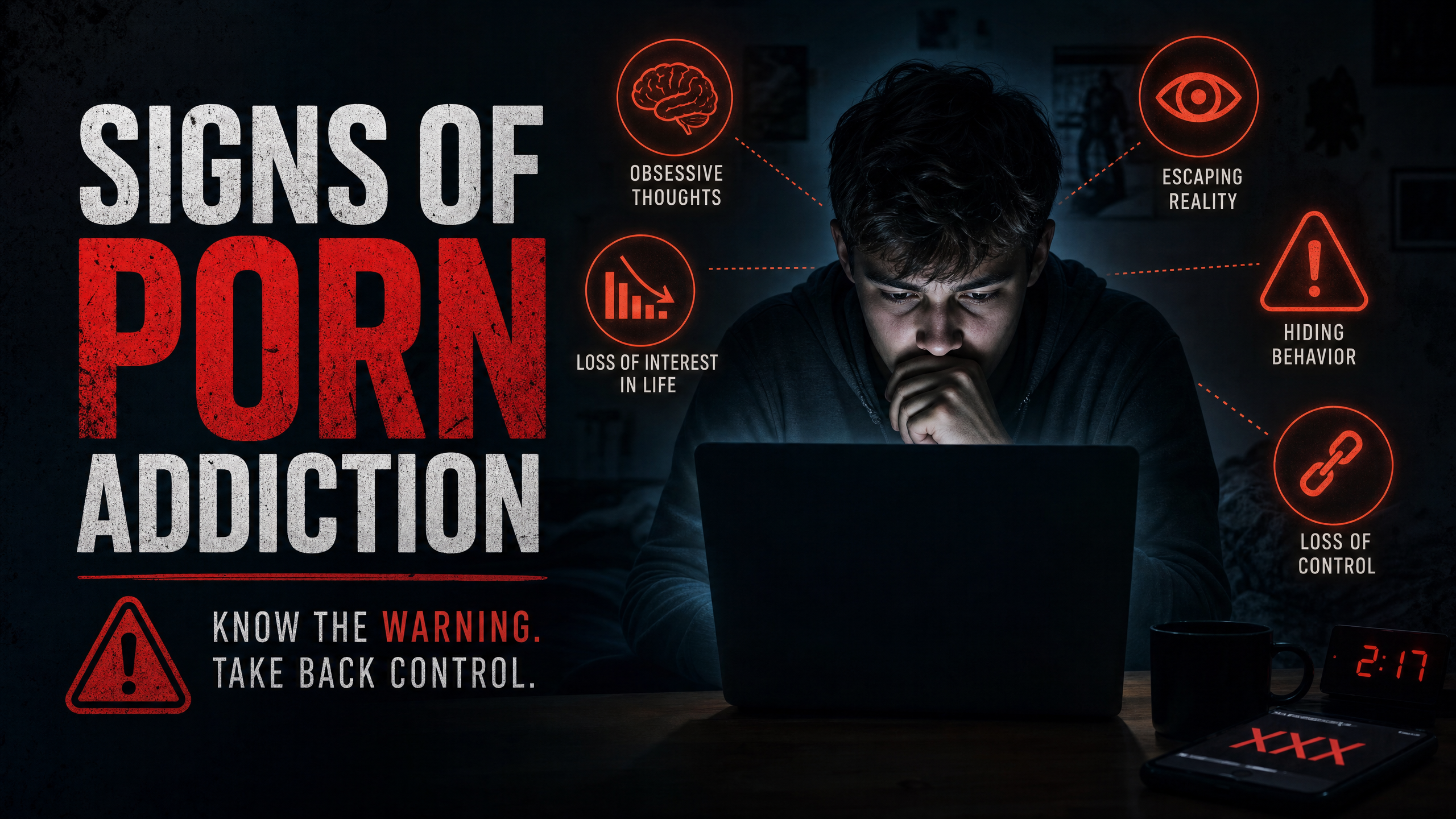
Quick summary
Porn addiction signs are less about occasional viewing and more about loss of control, secrecy, time loss, emotional dependence, and continued behavior despite negative consequences. Early awareness, clear limits, healthier routines, and support can help break the pattern.
Porn addiction is becoming more common today because content is easily available at any time. What usually starts as casual watching can slowly turn into a regular habit. Over time, it may begin to affect your daily routine, focus, relationships, and even your mental health. Many people do not notice this change in the beginning because it happens gradually.
The main problem is that people often do not realize when the habit becomes serious. It may seem normal or harmless, even when it starts creating problems in life. You might ignore the signs or think you can control it anytime.
In this article, you will learn the key signs of porn addiction, how it develops, and what you can do if you notice these patterns in yourself or someone close to you.
What Is Porn Addiction
Porn addiction is a condition where a person loses control over their urge to watch adult content. It becomes a repeated behavior that continues even when it causes negative effects. Unlike casual use, addiction is marked by dependency. A person feels the need to watch more often and struggles to stop, even when they want to.
It is not just about how often someone watches. It is about how much control they have over the behavior.
Why It Is Important to Recognize the Signs
Many people ignore early warning signs because they seem small. But over time, these habits can grow stronger and harder to control.
Recognizing the signs early helps you:
- Prevent the habit from becoming stronger
- Improve focus and productivity
- Protect your mental health
- Maintain healthy relationships
The earlier you understand the problem, the easier it becomes to manage.
Early Signs of Porn Addiction
Porn addiction does not start suddenly. It usually begins with small changes in behavior that are easy to ignore. Over time, these small patterns can grow and slowly start affecting your focus, routine, relationships, and mental health.
Many people do not notice these changes in the beginning because they feel normal or harmless. But if left unchecked, they can become stronger and harder to control. Recognizing these early signs helps you take action at the right time and prevent bigger problems in the future.
Below are some common signs that may indicate the beginning of porn addiction:
Increasing Frequency of Use
You start watching more often than before without noticing the change. What was occasional slowly becomes a daily habit. Over time, it feels like a normal part of your routine.
How to manage it:
- Set daily limits for screen time
- Track your usage regularly
- Stay busy with planned tasks
Loss of Time Awareness
You spend more time watching than you originally planned. Minutes quickly turn into hours without you realizing it. This often leads to wasted time and incomplete work.
How to manage it:
- Use timers while using devices
- Fix a clear time limit
- Stop once time is over
Difficulty Stopping
Even when you decide to stop, you keep going back again. You may feel frustrated because the urge feels stronger than your control. This shows a growing dependency.
How to manage it:
- Set strict personal boundaries
- Avoid late-night usage
- Replace it with another activity
Using It as an Escape
You begin using it to deal with stress, boredom, or loneliness. Instead of solving problems, you avoid them through distraction. This creates a habit of emotional dependence.
How to manage it:
- Identify your emotional triggers
- Talk to someone when stressed
- Use healthy alternatives like exercise
Feeling Guilty After Watching
After watching, you may feel regret or disappointment. You promise yourself to stop but repeat the same behavior again. This creates a cycle that is hard to break.
How to manage it:
- Reflect on your actions daily
- Write down your goals
- Focus on self-discipline
Neglecting Responsibilities
You begin ignoring important tasks like work or studies. Your priorities slowly shift away from meaningful activities. This can affect your performance and growth.
How to manage it:
- Create a daily task list
- Focus on important work first
- Set clear priorities
Isolation from Others
You prefer staying alone instead of interacting with people. Social activities may feel less interesting over time. This reduces real-life connections.
How to manage it:
- Spend time with family or friends
- Join social activities
- Limit alone screen time
Secretive Behavior
You start hiding your activity from others to avoid judgment. You may clear history or act carefully around people. This creates secrecy in your behavior.
How to manage it:
- Be honest with yourself
- Avoid private browsing habits
- Keep devices in open spaces
Reduced Interest in Activities
Things you once enjoyed may start feeling boring. Your attention shifts more toward screen-based content. This reduces real-life engagement.
How to manage it:
- Reconnect with hobbies
- Try new activities
- Spend time outdoors
Watching in Inappropriate Situations
You may watch even during work hours or late at night. This shows poor control over your routine and environment. It can disturb your daily life.
How to manage it:
- Set strict no-screen hours
- Follow a fixed routine
- Avoid private usage spaces
Constant Thoughts About It
You think about it frequently throughout the day. These thoughts come even when you are busy with other tasks. This affects your concentration and focus.
How to manage it:
- Keep your mind engaged
- Practice mindfulness
- Stay busy with meaningful work
Difficulty Concentrating
Your ability to focus becomes weaker over time. You may struggle to stay engaged in work or studies. This reduces your productivity.
How to manage it:
- Work in focused sessions
- Remove distractions
- Take short breaks
Mood Swings
You may feel irritated or restless when not watching. Your emotions can become unstable and unpredictable. Small things may affect your mood more.
How to manage it:
- Practice relaxation techniques
- Exercise regularly
- Maintain a healthy routine
Low Motivation
You lose interest in goals and daily activities. Tasks that were easy may start feeling difficult. Your overall drive slowly decreases.
How to manage it:
- Set small daily goals
- Reward progress
- Stay consistent
Feeling Mentally Drained
Excessive usage can make your mind feel tired and unfocused. You may feel low on energy and clarity. This affects decision-making.
How to manage it:
- Reduce screen time
- Take proper rest
- Follow a balanced routine
Poor Sleep Patterns
Late-night watching can disturb your sleep schedule. You may sleep late and wake up feeling tired. This impacts your entire day.
How to manage it:
- Avoid screens before sleep
- Fix your sleep timing
- Keep your room distraction free
Low Energy Levels
You may feel less active and more tired during the day. Your energy levels drop gradually over time. This affects productivity and mood.
How to manage it:
- Maintain good sleep habits
- Eat healthy food
- Stay physically active
Reduced Physical Activity
You spend more time sitting and less time moving. Exercise becomes less frequent. This affects both physical and mental health.
How to manage it:
- Exercise daily
- Take regular walks
- Stay physically engaged
Irregular Daily Routine
Your daily schedule becomes inconsistent over time. You may delay or skip important tasks. This creates imbalance in your life.
How to manage it:
- Plan your day in advance
- Follow a fixed routine
- Stay disciplined
Eye Strain and Fatigue
Excessive screen time can affect your eyes. You may feel strain, discomfort, or headaches. This is a physical effect of overuse.
How to manage it:
- Take screen breaks
- Reduce usage time
- Follow healthy screen habits
Reduced Interest in Real Intimacy
You may lose interest in real-life relationships. Emotional and physical connection becomes weaker. This can create distance over time.
How to manage it:
- Focus on real relationships
- Spend quality time
- Improve communication
Unrealistic Expectations
Frequent exposure can affect your perception of relationships. You may expect unrealistic things. This leads to dissatisfaction.
How to manage it:
- Stay grounded in reality
- Learn about healthy relationships
- Limit exposure
Communication Issues
You may avoid discussing problems openly. This creates misunderstandings in relationships. Communication becomes weaker over time.
How to manage it:
- Talk openly
- Share your feelings
- Improve communication skills
Emotional Distance
You may feel less connected to people around you. Emotional bonding becomes weaker. This affects your relationships deeply.
How to manage it:
- Spend time with loved ones
- Stay socially active
- Build connections
Trust Issues
Hiding behavior can create trust problems. Others may feel disconnected or unsure. This weakens relationships over time.
How to manage it:
- Be transparent
- Build trust gradually
- Avoid secrecy
Needing More Content Over Time
You may need more or different content to feel the same effect. What worked before feels less satisfying. This shows growing dependency.
How to manage it:
- Reduce usage gradually
- Avoid new triggers
- Stay disciplined
Failed Attempts to Quit
You try to stop but struggle to stay consistent. The habit keeps returning again and again. This shows difficulty in control.
How to manage it:
- Set realistic goals
- Track your progress
- Stay accountable
Ignoring Negative Consequences
Even when it affects your life, you continue the behavior. You may ignore its impact on work or relationships. This shows strong dependency.
How to manage it:
- Reflect on consequences
- Stay aware of impact
- Focus on improvement
Feeling Out of Control
You feel like your actions are not fully in your control. The urge becomes stronger than your decisions. This is a serious warning sign.
How to manage it:
- Build strong routines
- Avoid triggers
- Seek support if needed
Dependency for Emotional Relief
You rely on it to feel better or reduce stress. It becomes your main coping method. This creates a strong habit pattern over time.
How to manage it:
- Use healthier coping methods
- Talk to someone
- Manage stress better
Why Porn Addiction Happens
Understanding the cause of any habit makes it easier to manage and control it. Porn addiction does not happen suddenly. It usually develops slowly due to a mix of easy access, emotional factors, and lack of awareness.
Easy Access
Content is available anytime and anywhere through phones and the internet. This constant availability makes it easier to form habits without much effort. Over time, frequent access can turn into a routine.
Instant Reward
It gives quick pleasure and instant satisfaction to the brain. This reward system makes you want to repeat the behavior again and again. Slowly, it becomes a pattern that is hard to break.
Stress and Loneliness
Many people use it as a way to escape stress, boredom, or loneliness. Instead of dealing with emotions, they rely on it for temporary relief. This can create dependency over time.
Lack of Awareness
Most people do not notice when casual use turns into a problem. Since the change happens slowly, it often feels normal. By the time they realize it, the habit may already be strong.
How to Break the Pattern
If you start noticing these signs, it is important to take action early. You do not need to make big changes all at once. Simple and consistent steps can help you regain control and improve your daily routine.
Start With Awareness
The first step is to accept that there may be a problem. Awareness helps you understand your behavior clearly. Once you recognize it, you can start making better choices.
Set Clear Limits
Decide when and how you will reduce your usage. Set simple and realistic boundaries that you can follow daily. This helps you stay in control instead of acting on impulse.
Replace the Habit
Instead of only trying to stop, replace the habit with better activities. You can try exercise, reading, or learning something new. This keeps your mind engaged in a healthy way.
Reduce Triggers
Identify the situations or emotions that lead you to watch. It could be boredom, stress, or loneliness. Try to avoid or manage these triggers in a better way.
Create a Structured Routine
Keep your day organized with a clear plan and schedule. Staying busy with meaningful tasks reduces the chances of distraction. A structured routine builds discipline over time.
Seek Support
Do not try to handle everything alone. Talk to someone you trust about your goals or struggles. Support from others can keep you motivated and accountable.
When to Seek Professional Help
If the habit starts feeling out of control or begins to affect your daily life, it is important to consider professional help. When it impacts your work, relationships, or mental health, getting guidance can make a big difference.
A trained professional can help you in several ways:
- Understand the root cause of your behavior
- Build healthier coping strategies
- Manage stress and emotional triggers
- Create a structured recovery plan
- Stay consistent and motivated during the process
With the right support, it becomes easier to take control and move forward step by step.
Conclusion
Porn addiction is not always easy to recognize, especially in the beginning. The signs often start small and may not seem serious at first. But if they are ignored, these small habits can slowly turn into bigger problems that affect your focus, routine, and overall life.
The good news is that change is always possible. With the right awareness, discipline, and simple steps, you can regain control over your habits. Focus on small improvements, stay consistent, and be patient with yourself. Real progress takes time, but every step you take in the right direction truly matters.
Frequently Asked Questions
Is watching porn occasionally considered addiction?
No, occasional use is not necessarily addiction. It becomes a problem when it turns into a habit that you cannot control or starts affecting your daily life.
At what age does porn addiction usually start?
It can start at any age, but it often begins during teenage years due to curiosity and easy access to the internet.
Can porn addiction affect brain function?
Yes, excessive use can affect focus, decision-making, and memory by creating strong habit patterns that are hard to break.
How is porn addiction different from normal habit?
A normal habit is controlled, but addiction involves loss of control, repeated use, and negative impact on life.
Can quitting suddenly cause problems?
Some people may feel discomfort, irritation, or restlessness when they stop suddenly, but these feelings are temporary.
Does porn addiction affect confidence?
Yes, it can lower self-confidence over time by creating guilt, lack of focus, and reduced motivation.
Is it possible to recover without professional help?
Yes, many people improve by building discipline, changing routines, and avoiding triggers, but support can make it easier.
How long does it take to overcome porn addiction?
There is no fixed timeline. It depends on consistency, habits, and personal effort, but improvement usually starts within weeks.
Can porn addiction affect career or studies?
Yes, it can reduce focus, waste time, and lower productivity, which can impact performance in work or studies.
What is the first step to control porn addiction?
The first step is awareness and acceptance. Once you recognize the problem, you can start taking small steps to improve.
Need help reducing triggers?
BlockerPlus can help you add friction, reduce access, and support a more structured digital routine while you work on recovery habits.
Get BlockerPlusRelated Articles
BlockerPlus blocks content, tracks your streak, and keeps you accountable — free on Android.
Download Free on Android